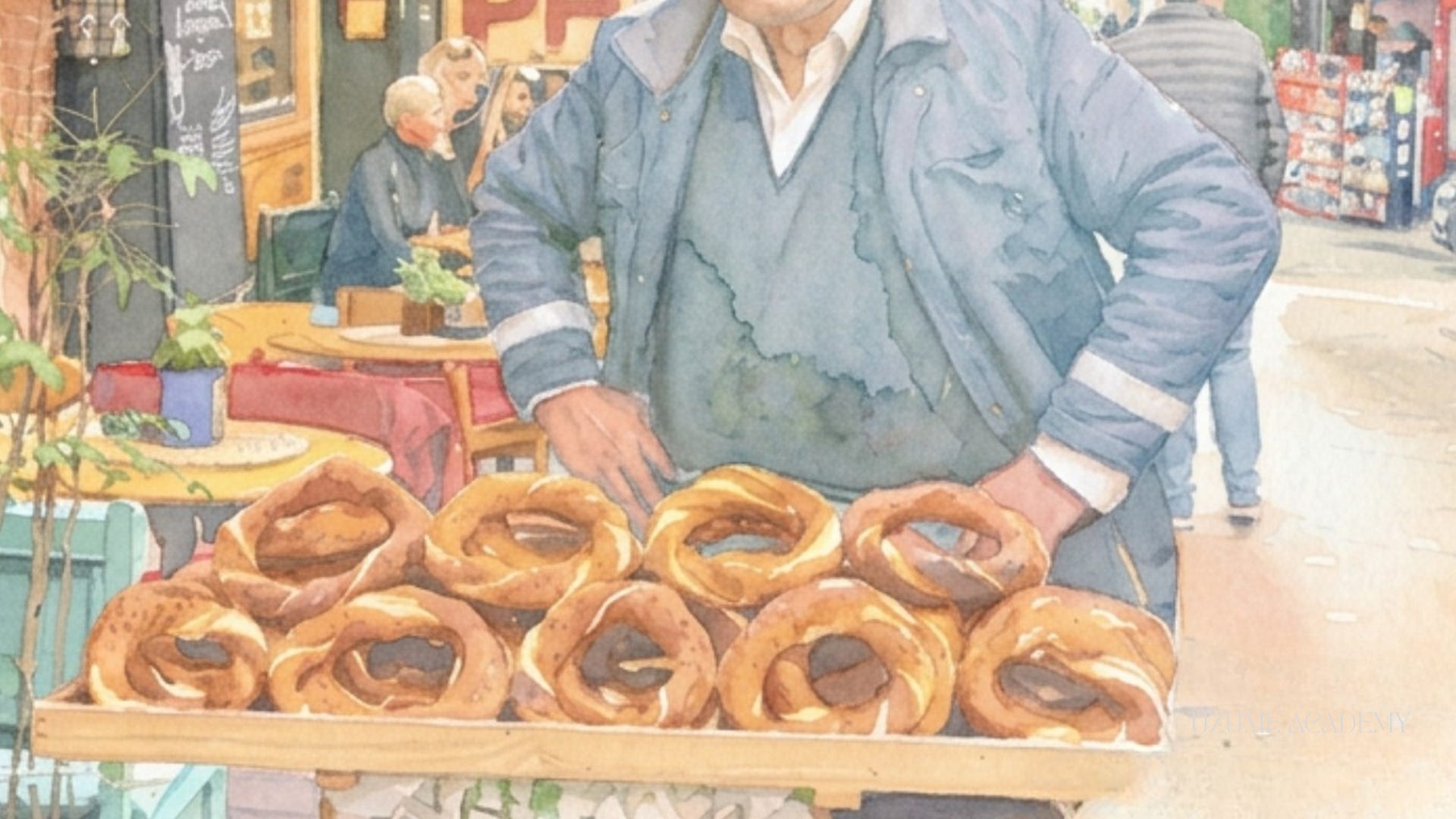

Walking up a cobblestone hill, an elderly man ahead of me suddenly stopped. His gaze fell upon a piece of bread dropped on the dusty ground. He bent down, picked it up, carefully brushed off the dirt, and gently placed it on a high ledge of a wall where no one would tread.
“Mottainai” — Wangari Maathai
In Turkey, bread is called “Ekmek,” a word that also means “labor” and “God’s blessing.” This is why leaving fallen bread on the ground to be trampled underfoot is felt as a desecration of the life and work embodied in that sustenance.
This deeply resonates with the Japanese belief that a god dwells in every single grain of rice, and that nothing should be wasted. The word “Mottainai” is not mere stinginess or frugality. It is an expression of deep compassion and respect, seeking to recognize the “sacred value” residing in everything before us—objects, time, and human connections—and to let their life be fulfilled to the very end.
When you cast the gaze of “Mottainai” upon the small, often disposable things in your daily life, or upon the time slipping away, in that moment, what you hold ceases to be mere matter and transforms into an irreplaceable “golden seed” radiating light.